The Serenity of Wabi-Sabi Lodges in Arashiyama
Published on October 24, 2024 by Editorial Contributor
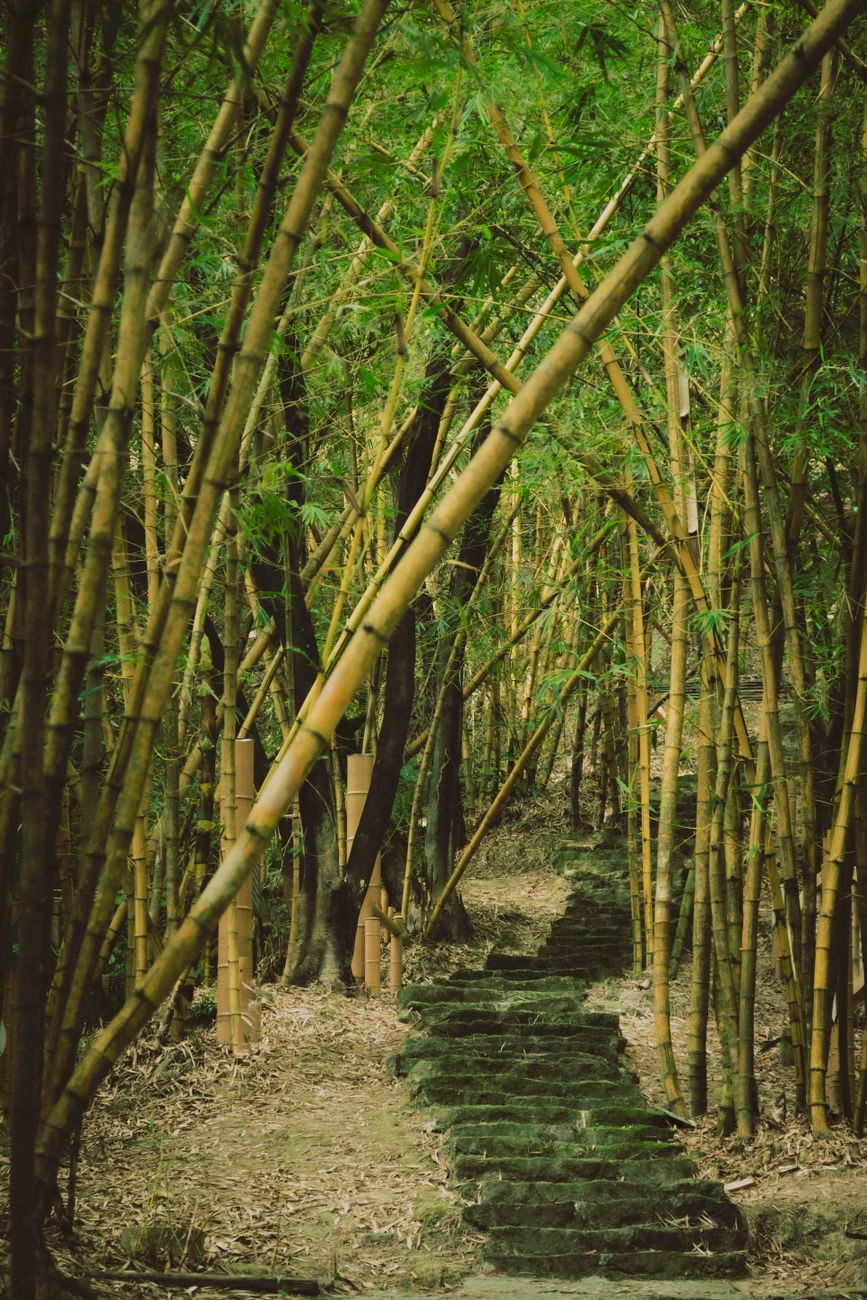
Table of Contents
Arashiyama, located on the western fringes of Kyoto, has welcomed travelers seeking solace since the Heian period. Yet far from the crowded bamboo corridors favored by tourists, a quiet network of independent ryokans continues to uphold centuries-old wabi-sabi aesthetics.
1. The Essence of Imperfection
Wabi-sabi is fundamentally an acknowledgment of transience and imperfection. In the wooden retreats along the Katsura River, this concept is manifested physically. Plaster walls bear the gentle impressions of the craftsman’s trowel; unvarnished cedar beams darken naturally under seasonal humidity; stone water basins accumulate layers of soft green moss.
“Architecture that resists aging will ultimately look dated. Architecture that welcomes time will forever look dignified.”
2. Hinoki Timber & Diffused Light
Stepping inside, the aroma of native hinoki cypress immediately commands stillness. Rather than harsh overhead illumination, spaces are gently defined through washi paper screens that diffuse daylight into a warm, calming glow. Every architectural proportion encourages the traveler to lower their voice and slow their breath.
3. The Ritual of Arrival
A true ryokan experience is choreographed not as hospitality service, but as a sensory deceleration. Guests exchange outdoor boots for soft linen slippers, partake in a bowl of ceremonial-grade matcha accompanied by seasonal wagashi, and soak in subterranean hinoki baths fed by thermal mountain springs.
4. The 111111 Field Notes
For those planning a stay, we recommend dedicating at least three consecutive evenings. Turn off wireless devices after sundown, awake early to hear the monks ringing dawn bells across the river, and embrace the luxury of empty time.
Plan Your Journey to Kyoto
Let our editorial team curate a bespoke slow-travel itinerary honoring traditional Japanese craftsmanship.
Request Consultation