Foraged Flavors of the High Alpine Altitudes
Published on November 02, 2024 by Editorial Contributor
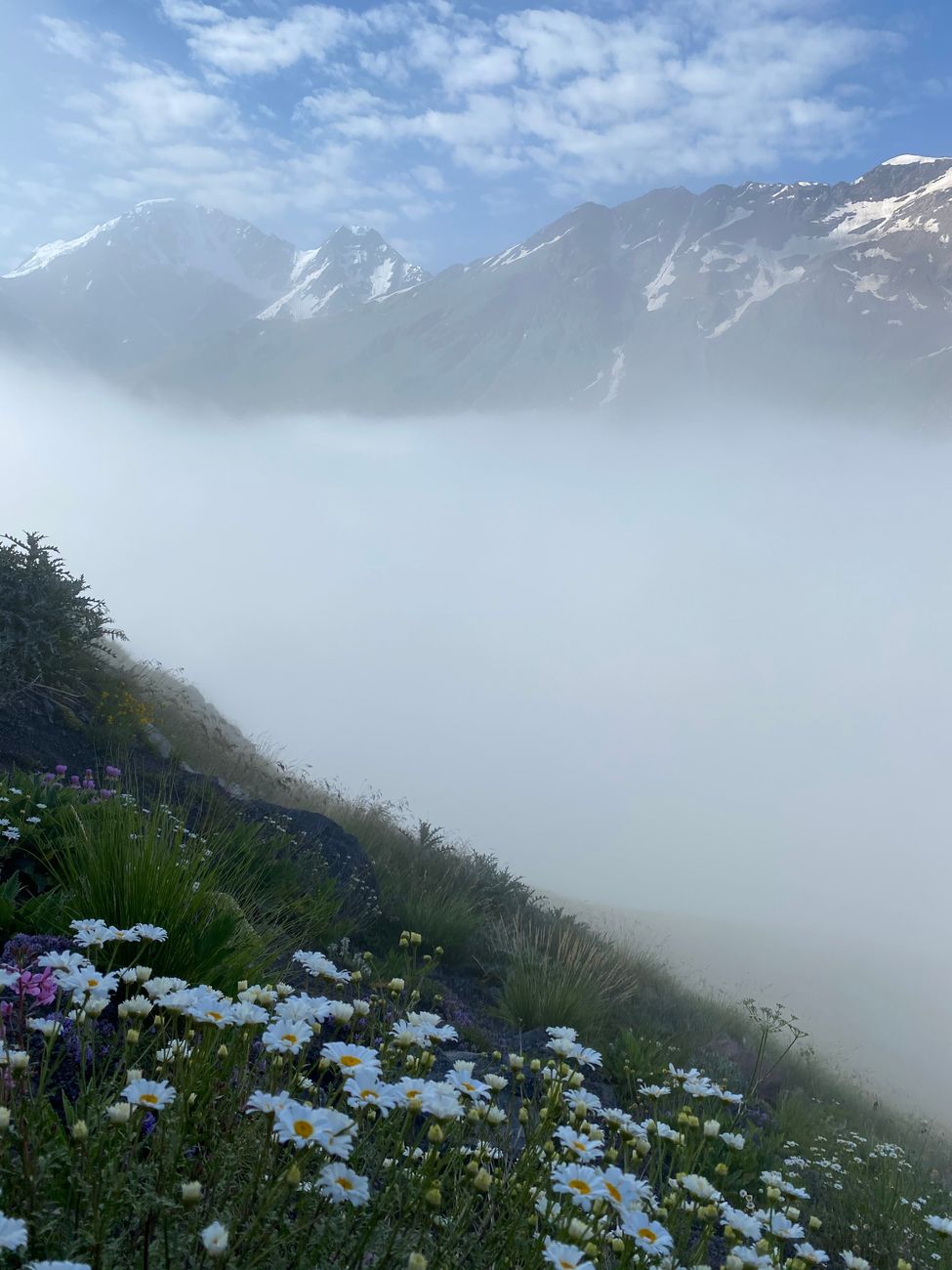
Table of Contents
Above 1,800 meters in the UNESCO-protected Dolomites, culinary traditions are shaped by geological harshness. Here, where winters extend for half the calendar year, cuisine is not merely an indulgence; it is a storied survival technology.
1. The Chemistry of Extreme Elevation
Wild mountain plants withstand intense ultraviolet radiation and rapid diurnal temperature shifts by producing elevated concentrations of antioxidants and aromatic compounds. Wild thyme, yarrow, stone pine resin, and wood sorrel boast botanical intensity unknown to lowland agriculture.
“Every leaf gathered above the snowline carries the concentrated memory of rocky soil and thin air.”
2. Mountain Herbs & Ancient Fermentation
In rustic rifugios and avant-garde alpine kitchens alike, traditional fermentation techniques are experiencing a quiet renaissance. Young culinary innovators steep stone pine shoots into vinegar, cure speckled trout with juniper smoke, and age raw unpasteurized cheeses wrapped in mountain hay.
3. Field Notes from South Tyrol
When visiting the region, bypass Michelin-starred dining rooms in favor of family-operated agriturismi. Request the seasonal grain broths and rye flatbreads baked in stone ovens that have operated continuously since the 18th century.
Explore Alpine Gastronomy
Connect with our team to uncover curated farmstead stays and seasonal foraging trails in the Italian Alps.
Contact Our Desk